 Rated 5/5 on StartupBase
Professional Headshots for a Resume
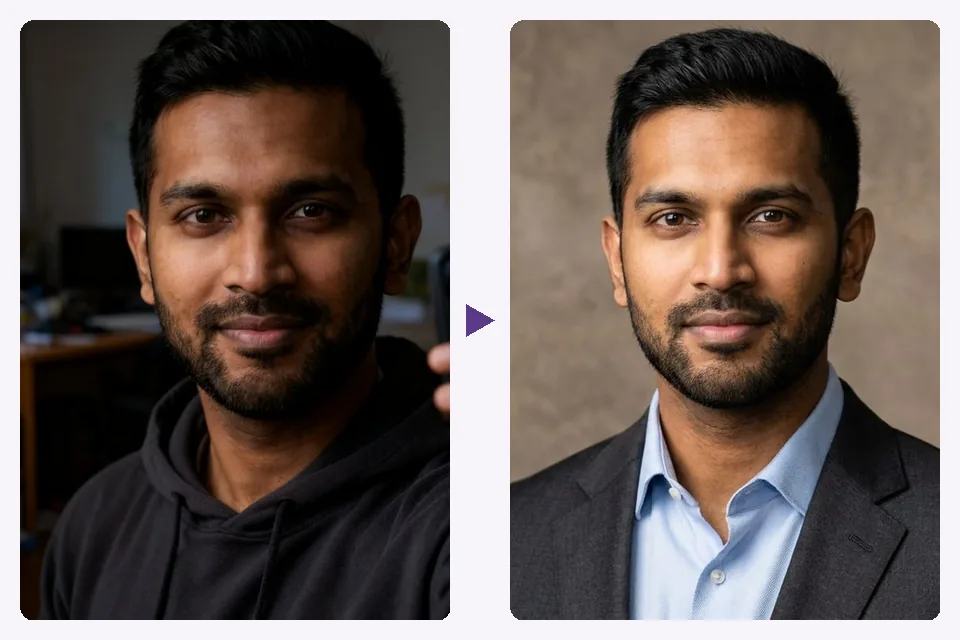
Professional headshots for a resume start with three photos you already have: still. turns them into 30 to 70 AI portraits in about ten minutes.
Whether you are applying for your first role or updating an executive resume, choose a photo for your application.
There is no studio to book and nothing to install.
Starting at $24 — 8x cheaper than a photographer
Make my portraits- 100% money-back guarantee
- Ready in about 10 minutes
- 30 to 70 headshots from 3 photos
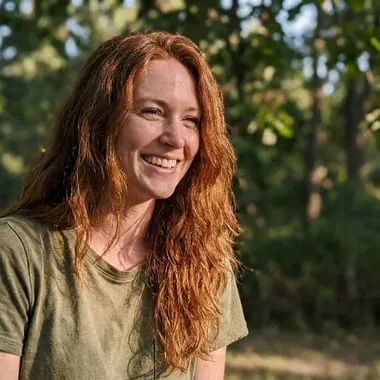
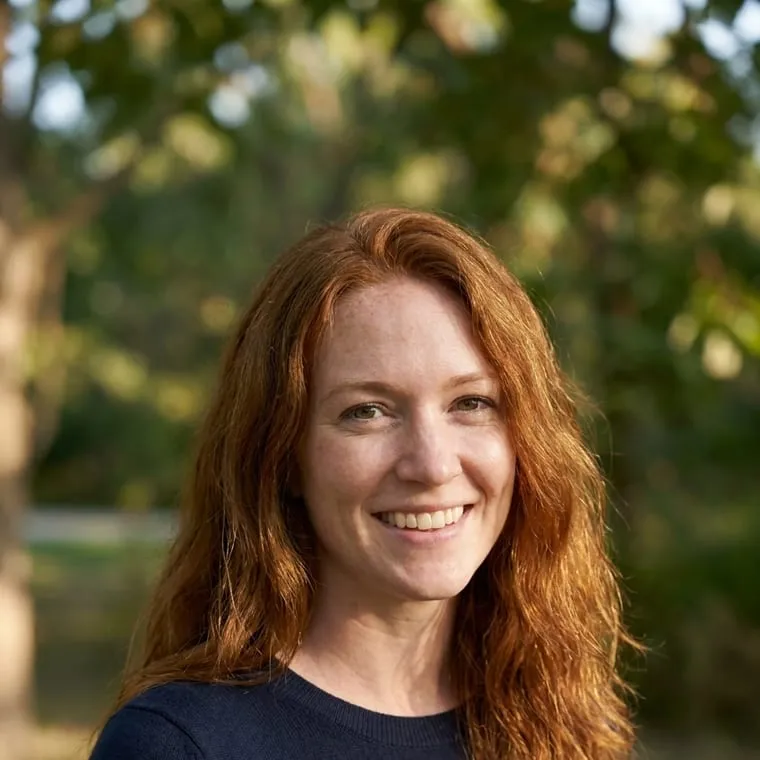
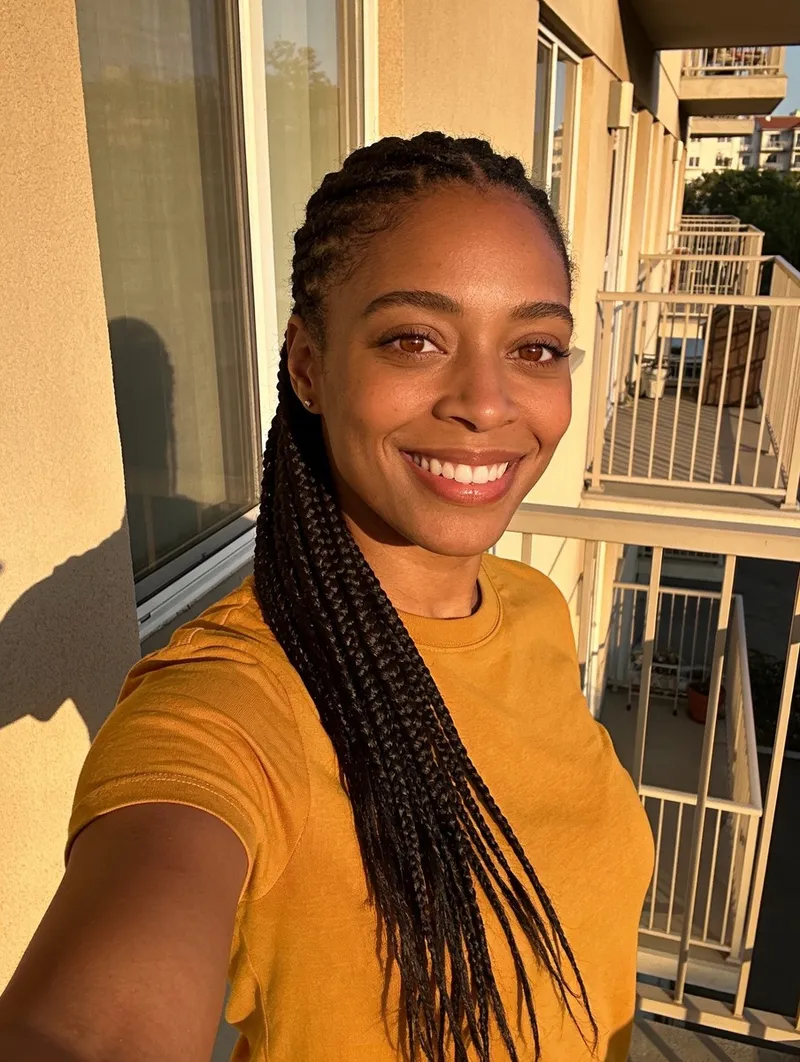
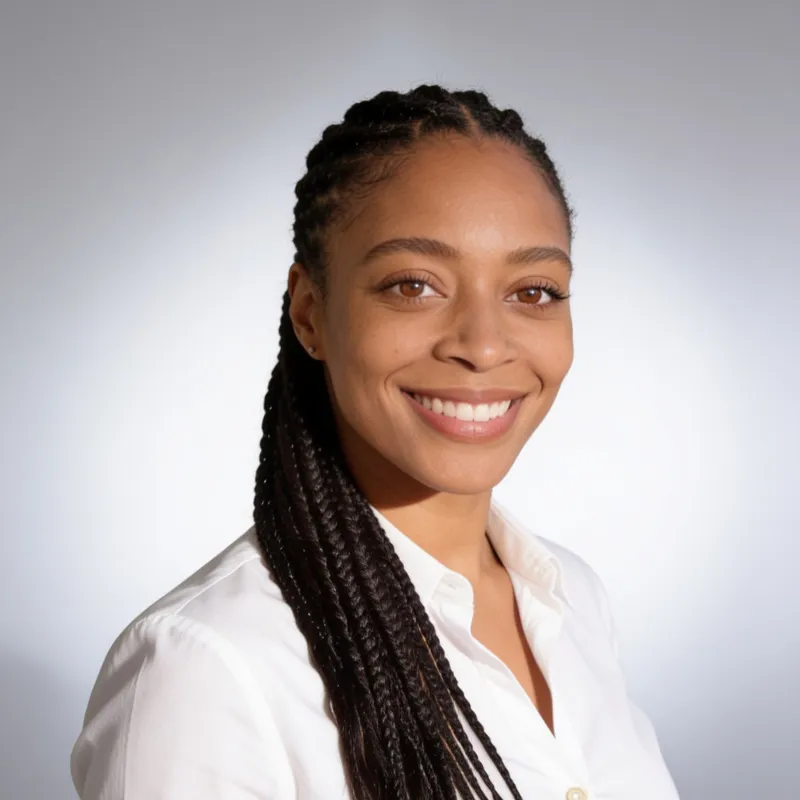
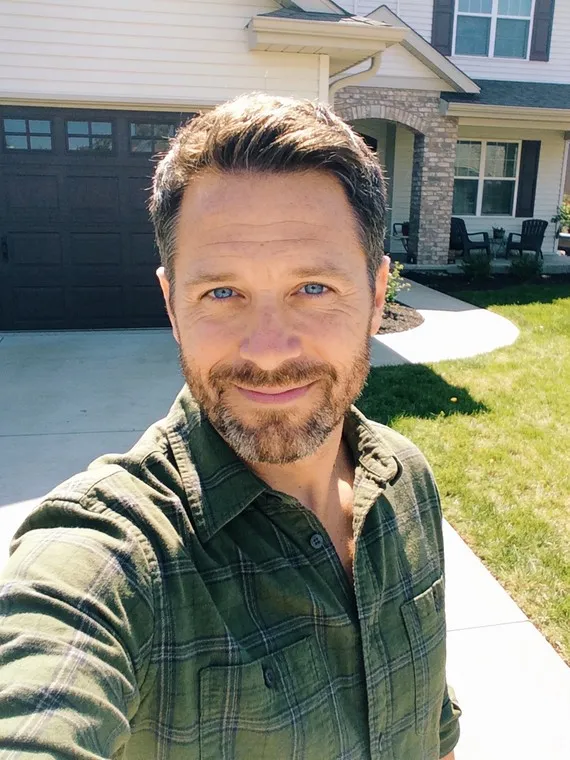
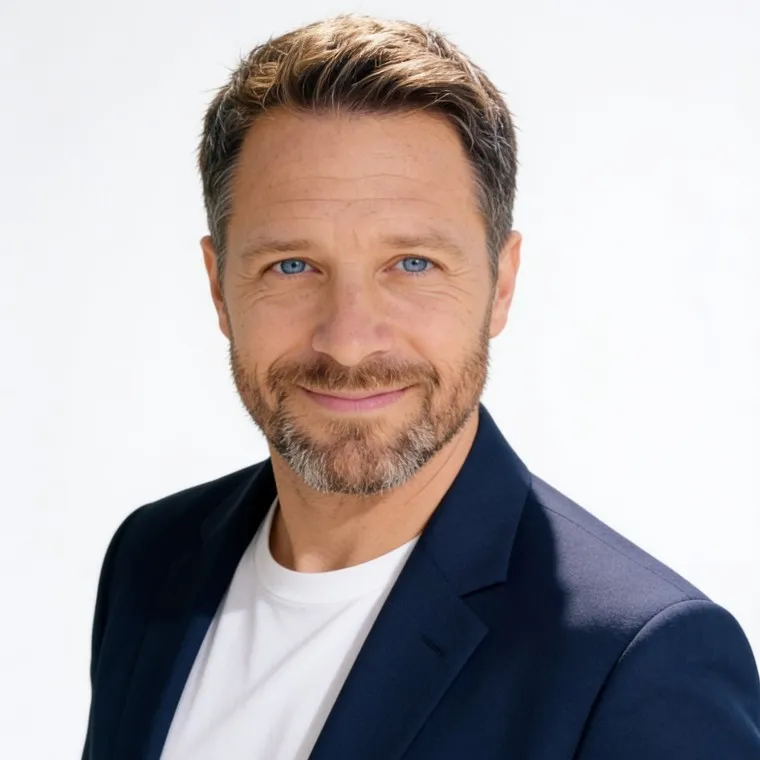
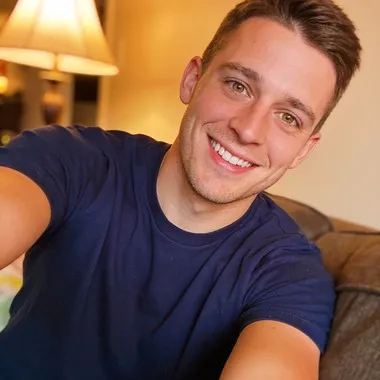
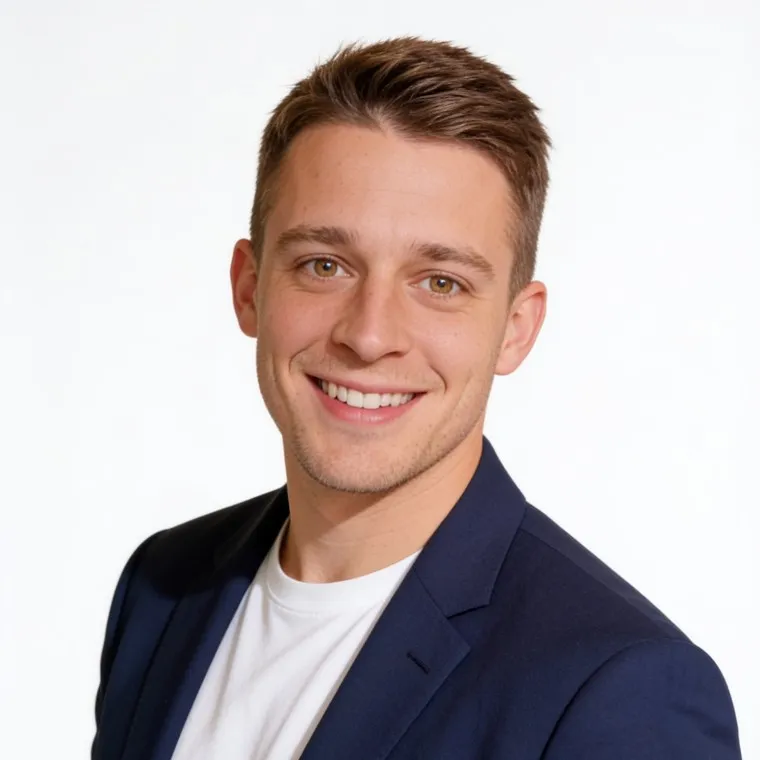
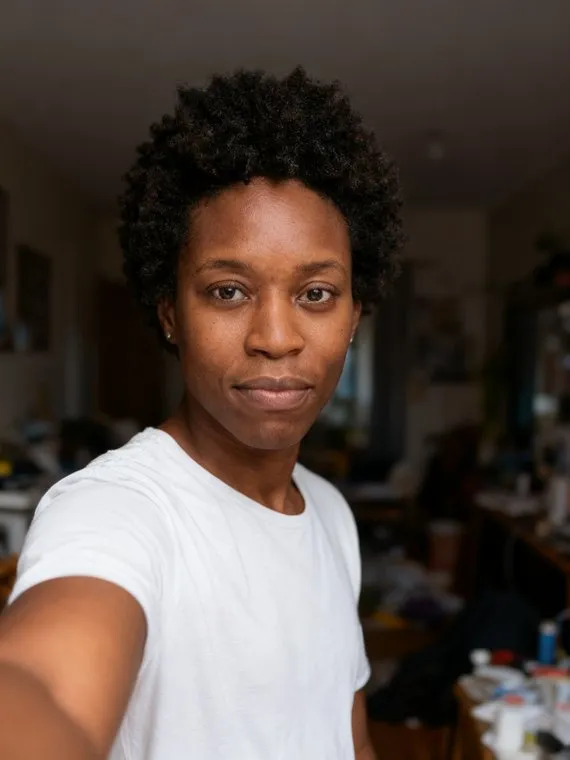
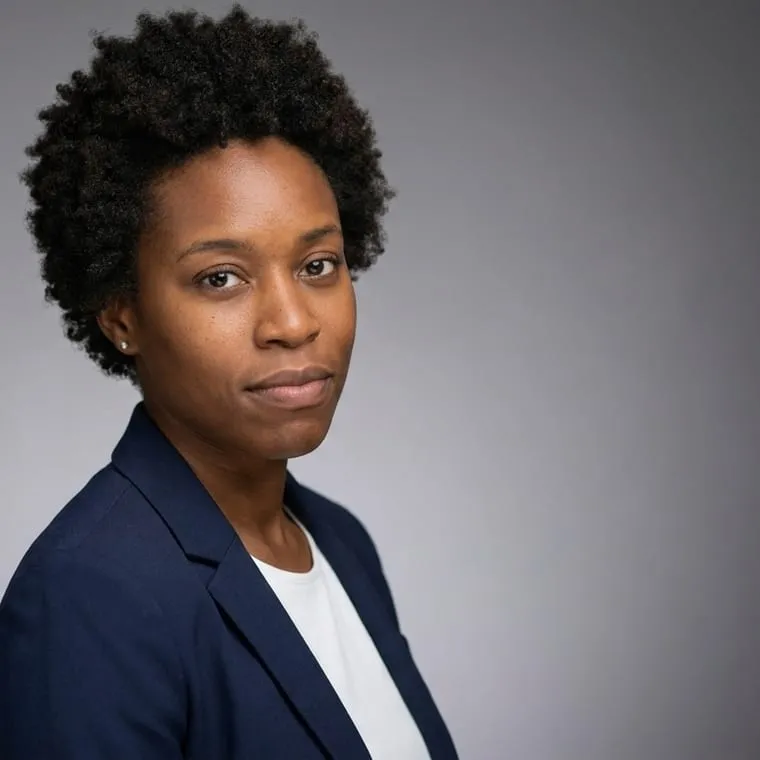
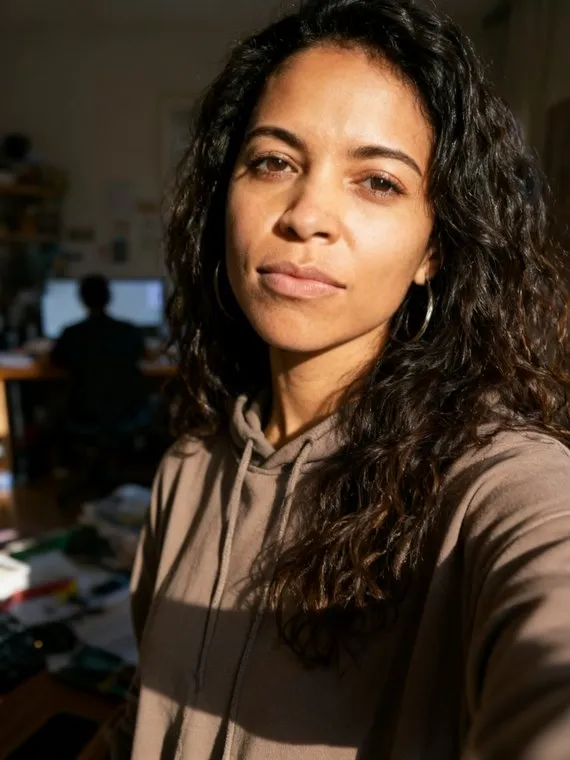
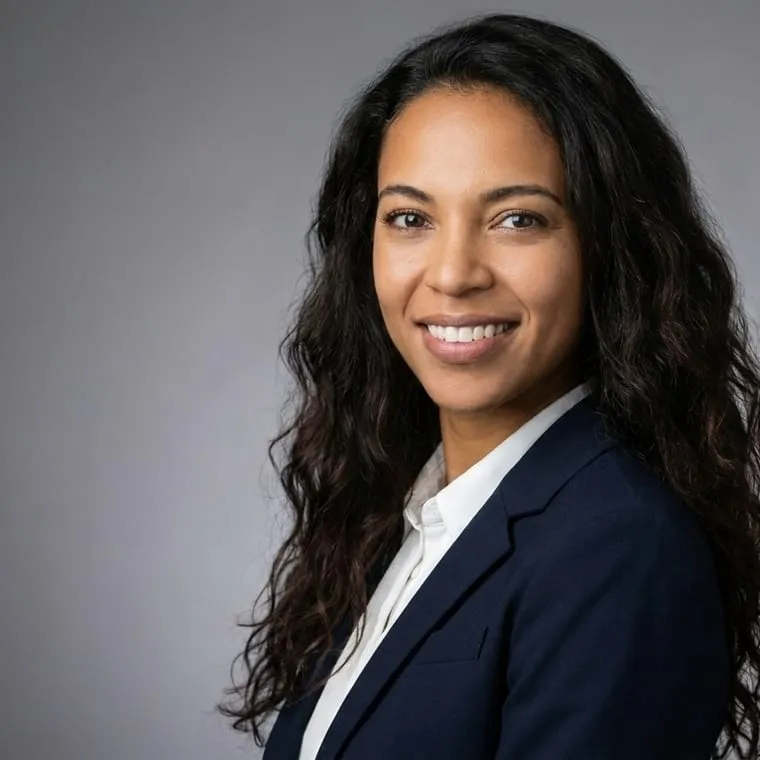
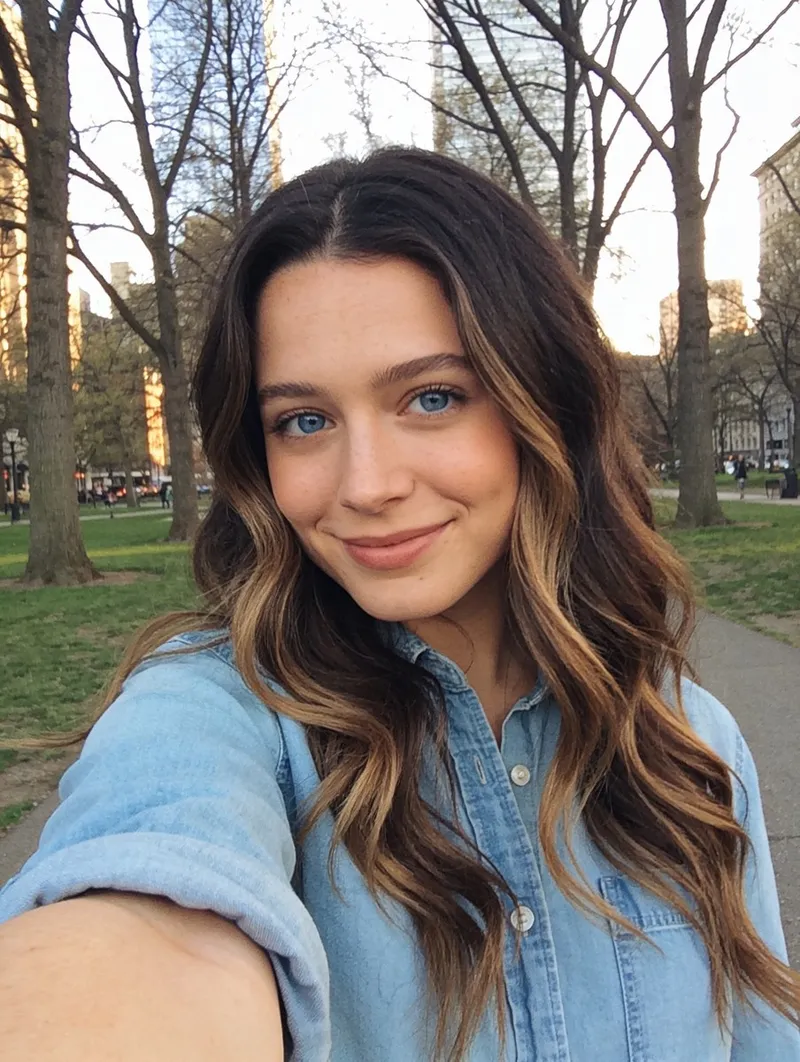
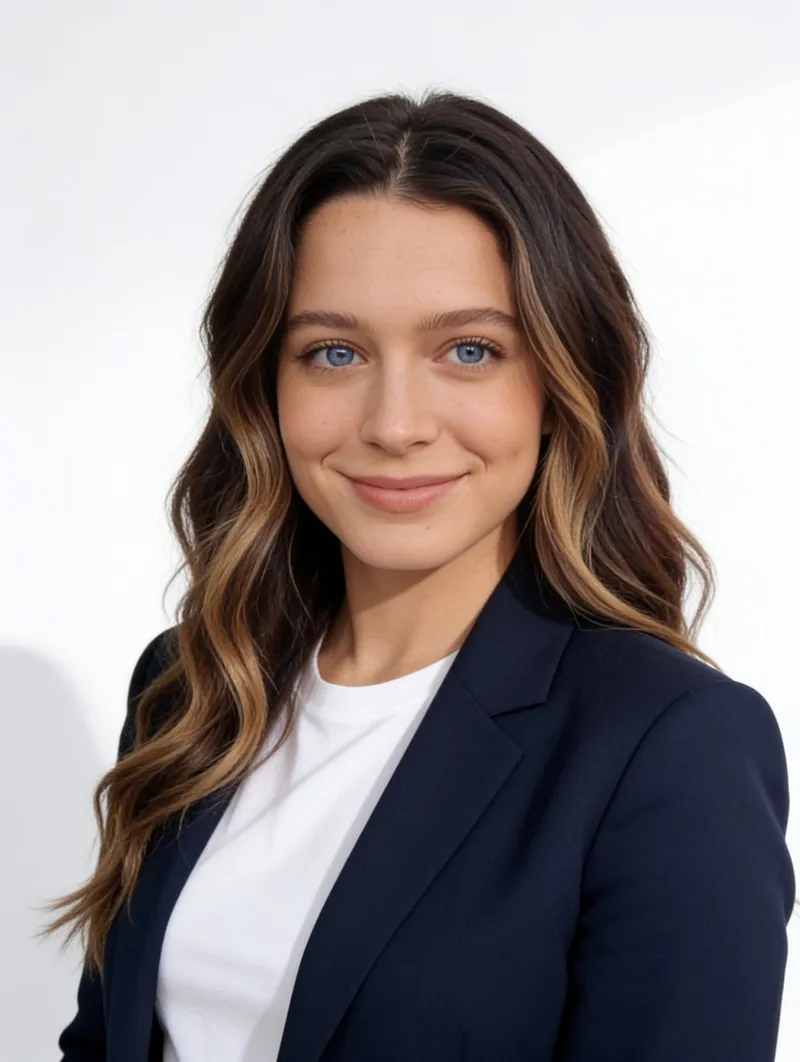
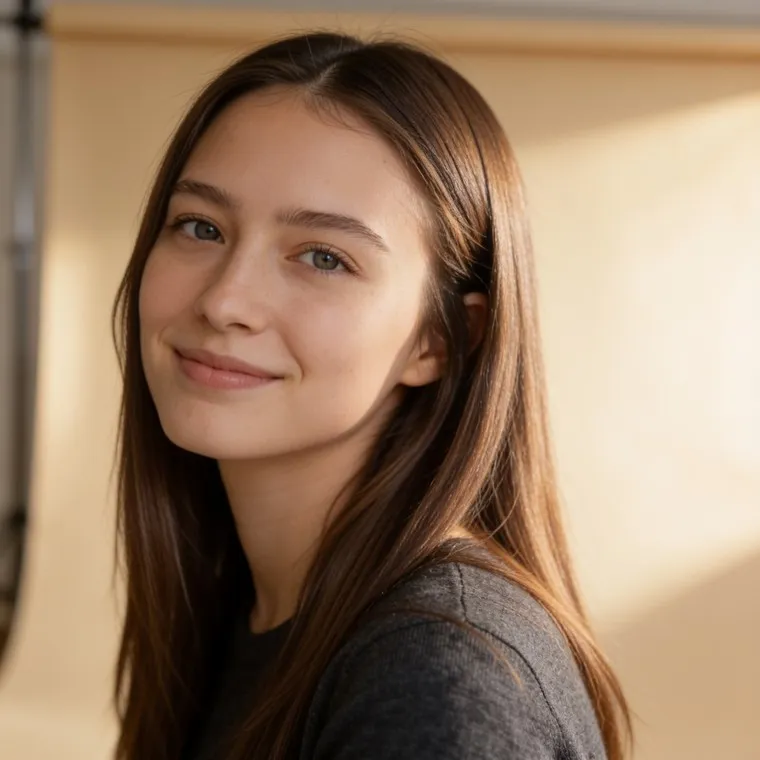
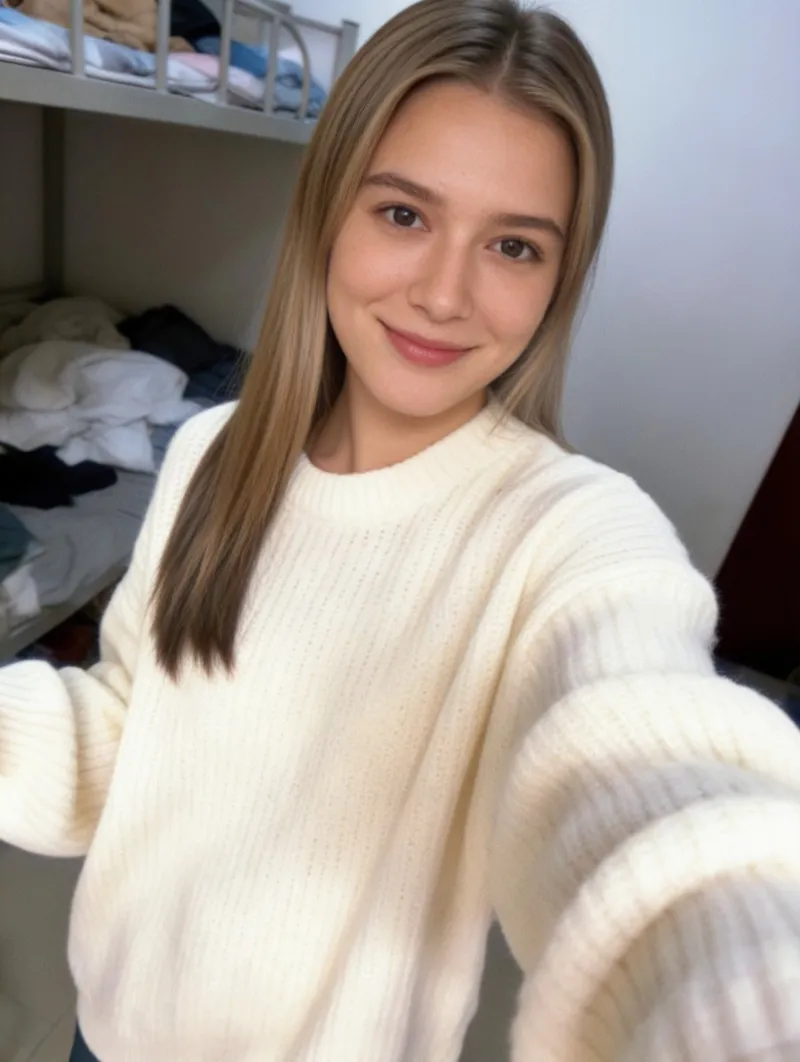
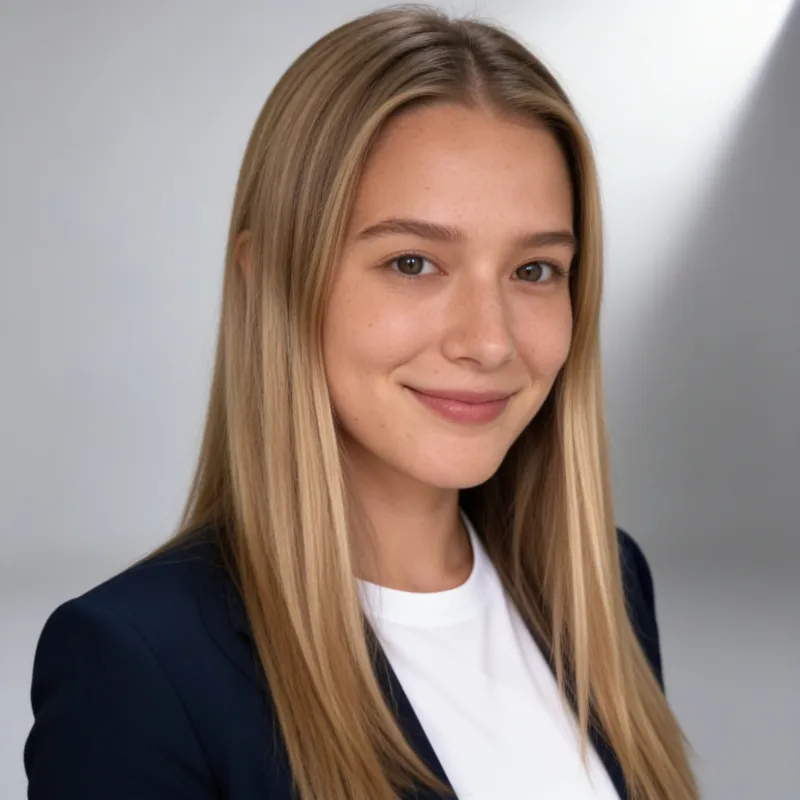
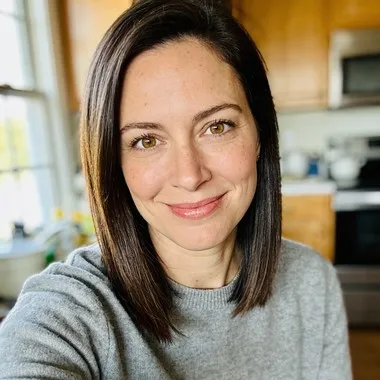
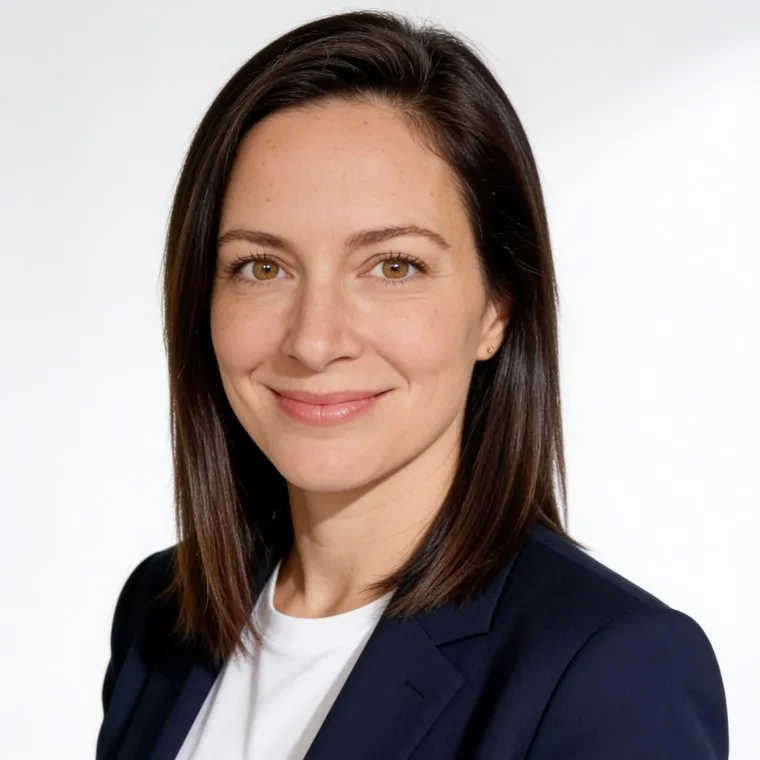
A headshot for the resume you are sending
If your application calls for a photo, create portrait options without arranging a separate studio visit.
Check the employer's instructions before adding a picture to your resume.
Keep the focus on your experience, and use a headshot only where it fits the application.
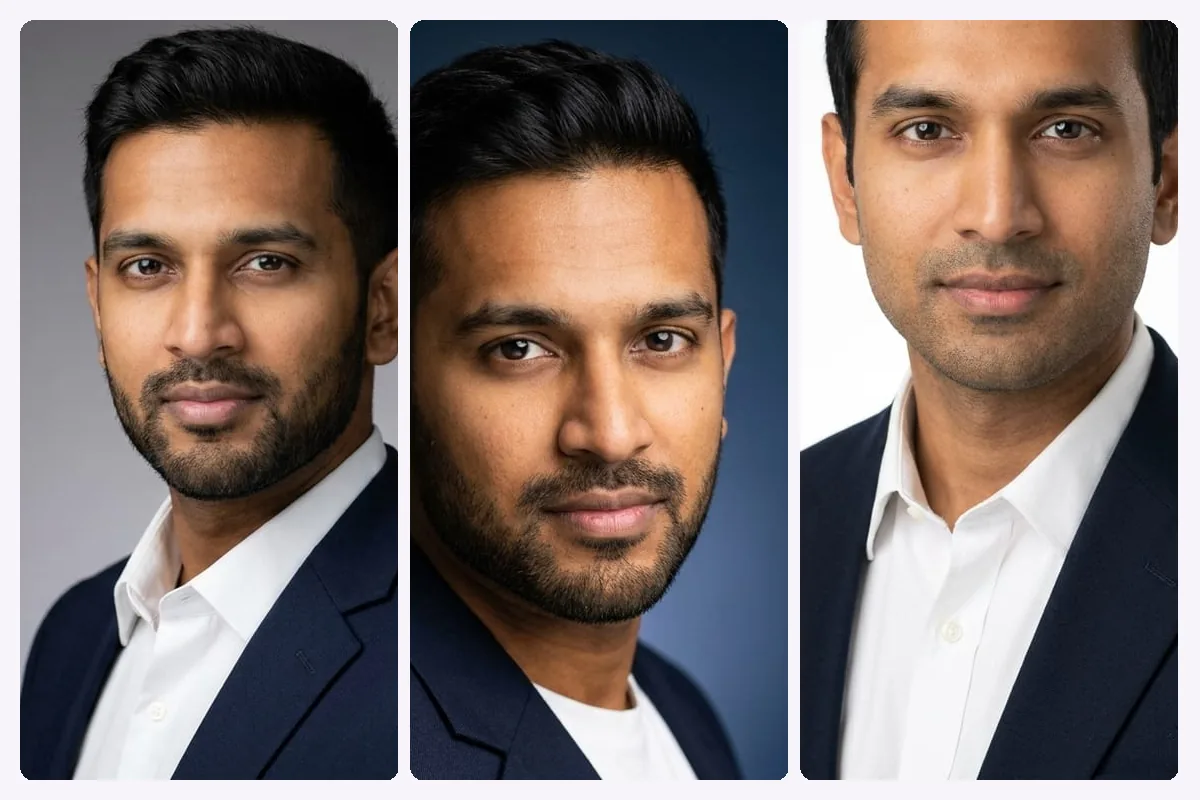
Create your portraits from home
Use still.'s AI headshot service to make options for your application from photos you already have:
- Upload three photos.
- After payment, choose one or two photo categories.
- Receive 30 to 70 portraits in about ten minutes.
- Compare results across six backdrops and four lighting setups.
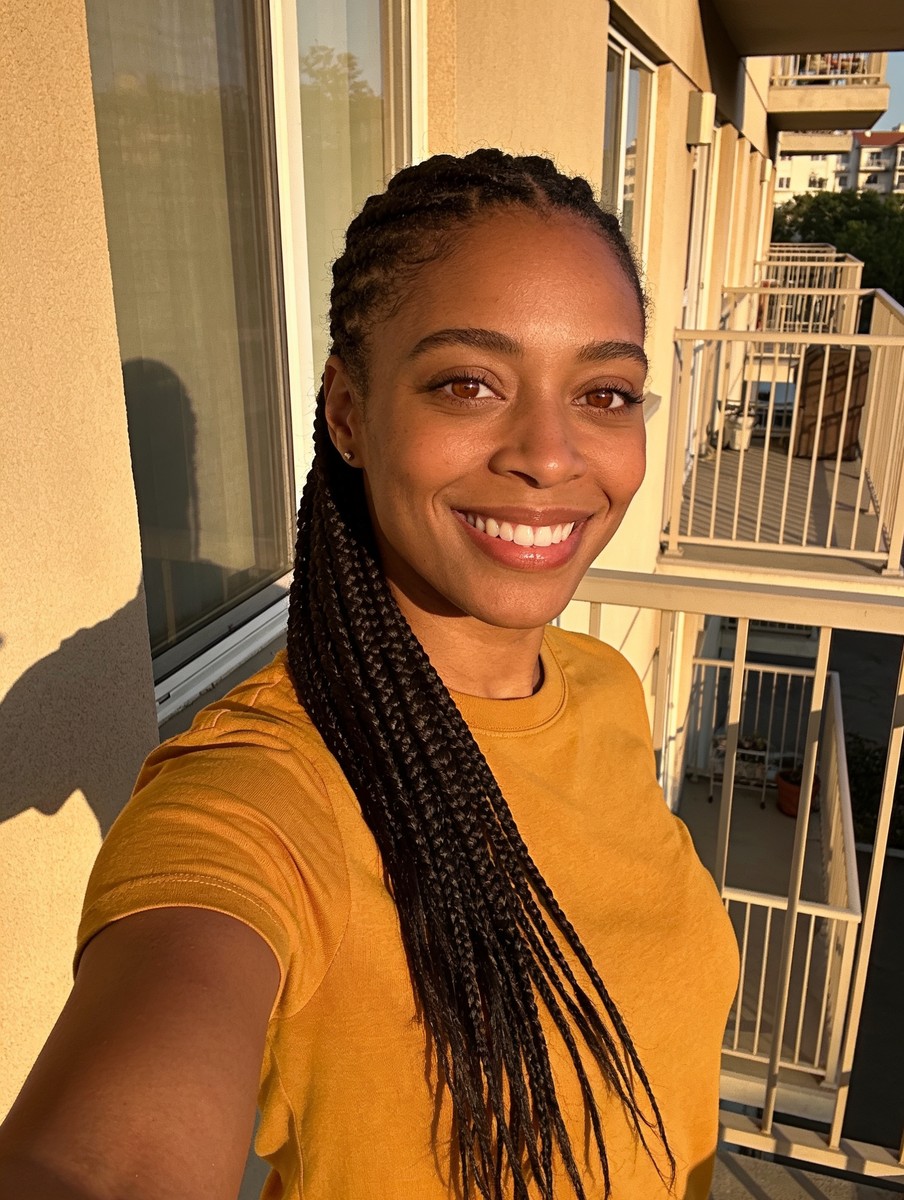
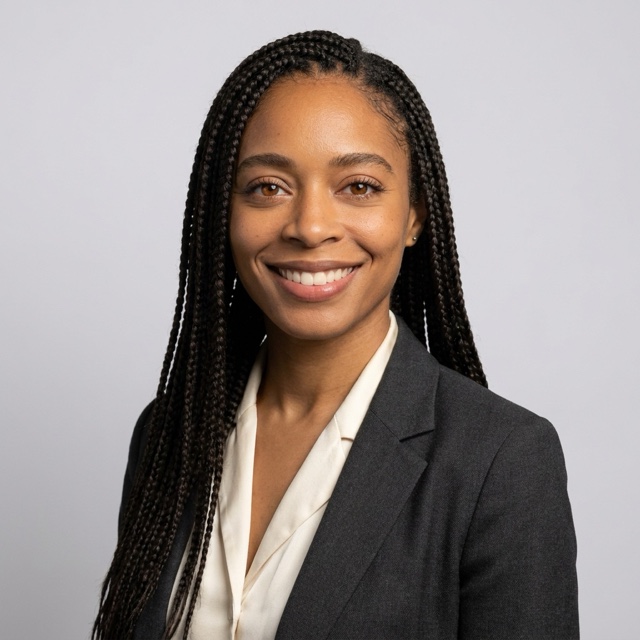
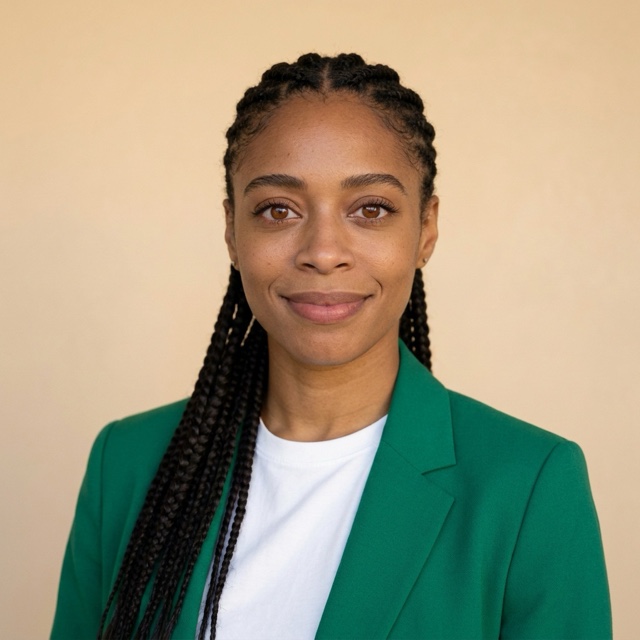
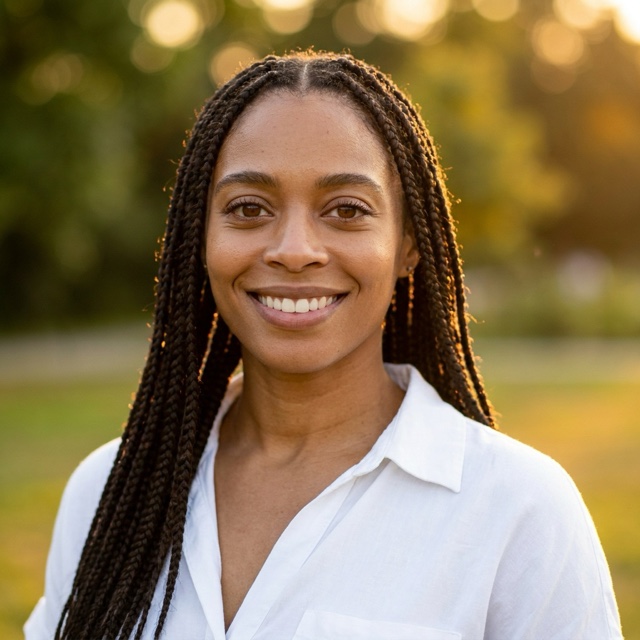
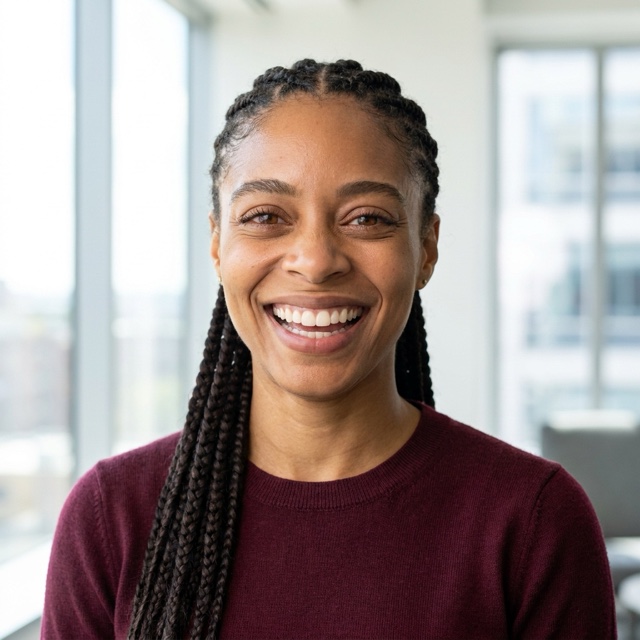
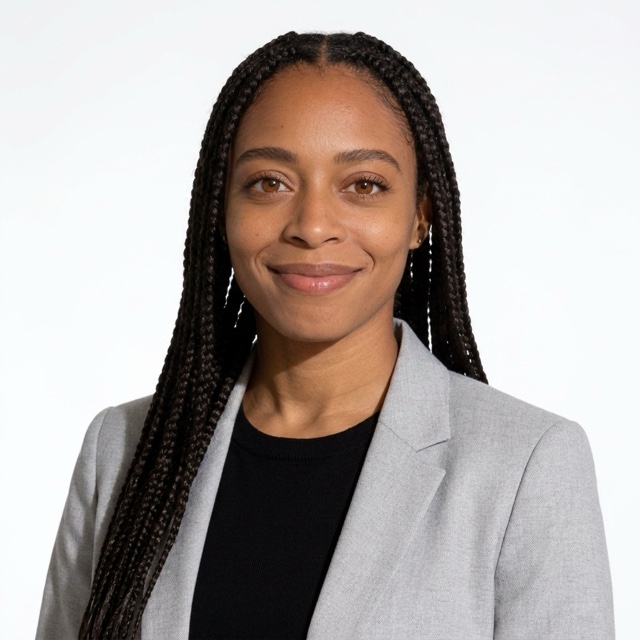
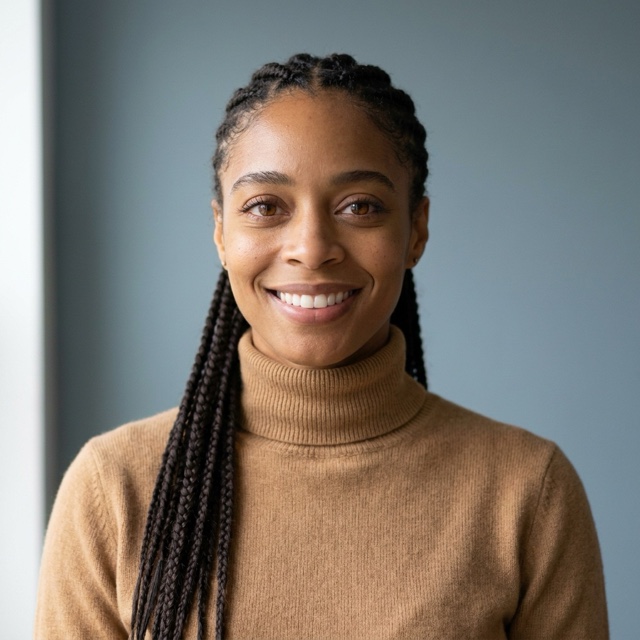
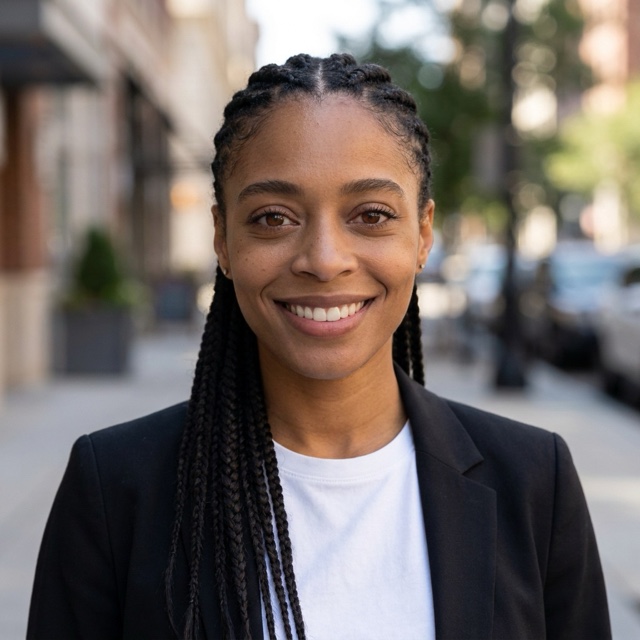
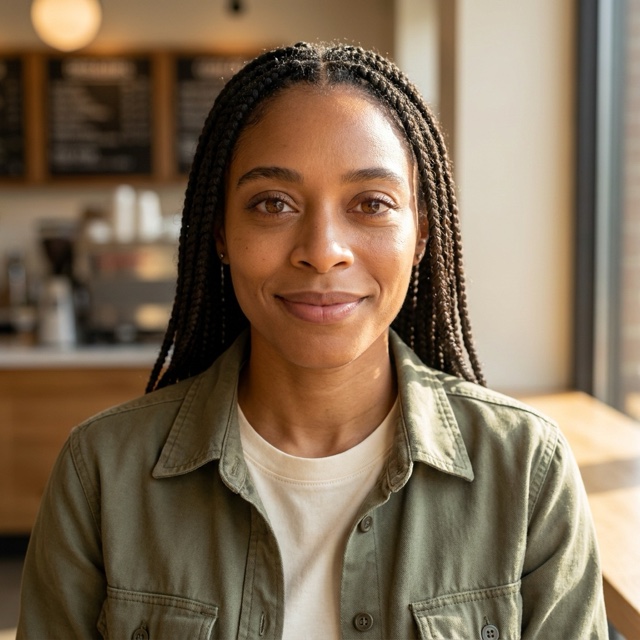
Choose a photo that fits your application
Review your options with the finished resume in mind:
- Choose an image you feel represents you.
- Check that your face remains clear at the size you plan to use.
- Consider whether the portrait suits the role and the document.
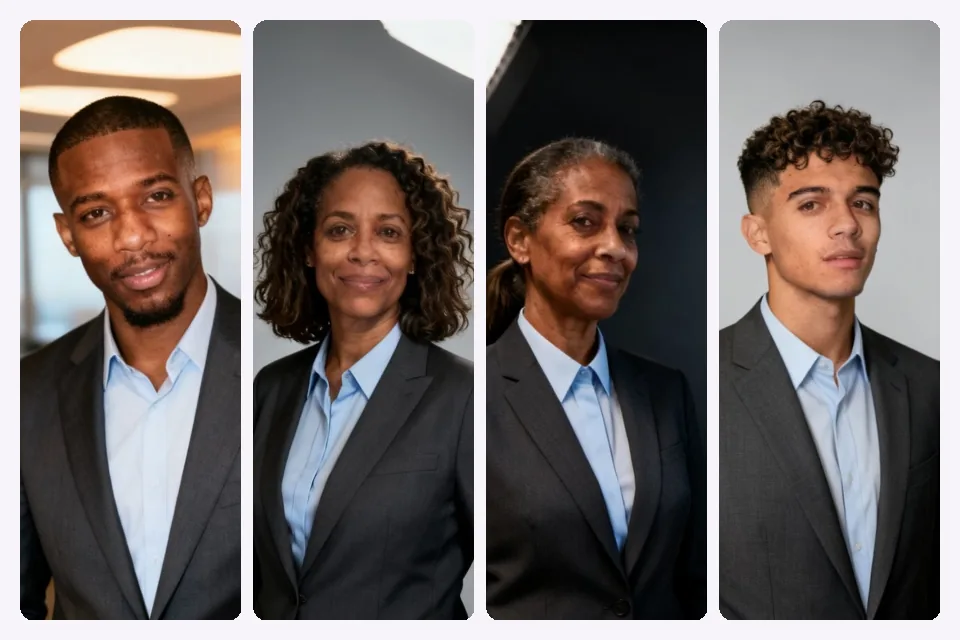
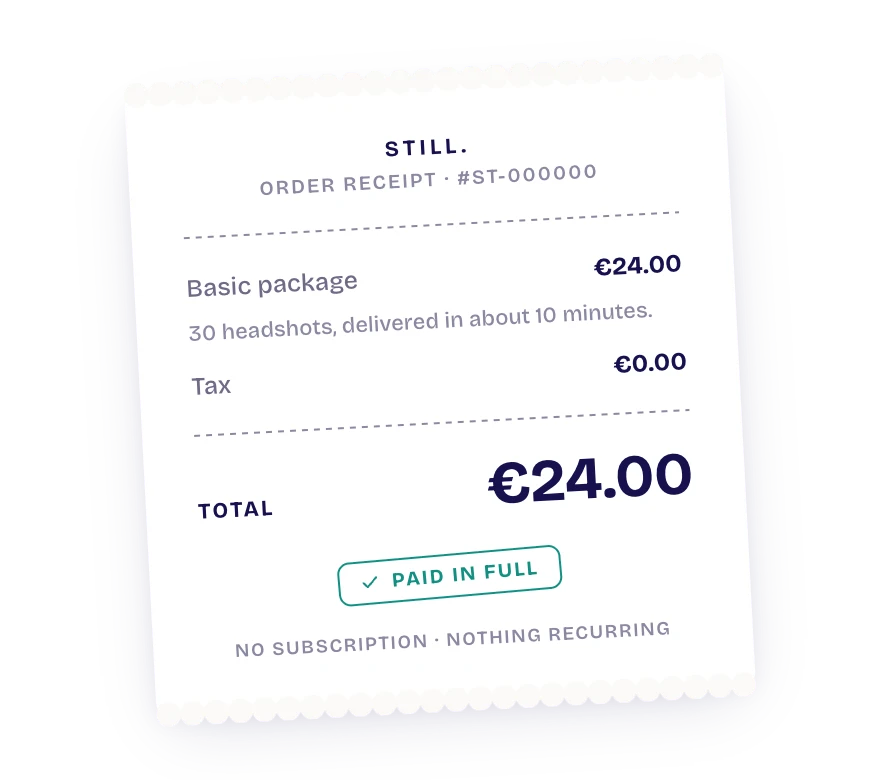
Know the portrait pack price
Budget for your resume photo with a pack of 30 to 70 portraits:
- From €24 for 30 headshots.
- Up to €39 for 70 headshots and many retouches.
- 7 days refund guaranteed before any download.
- A 16:9 frame for banners and signatures in every pack.
Starting at $24 — 8x cheaper than a photographer
Make my portraitsYour face is not training material
Our system is not trained on your face.
Your face is read from the three photos at generation and kept for nothing else.
Your photographs go only to the image providers that create and check your results; they are not used to train anything and they are deleted after 30 days.
Files are scheduled to expire 30 days after creation; 'Delete this order's photos' in the gallery removes them earlier.
Review before downloading
Check your resume portrait options before downloading any if you might want a refund:
Download individual photos or the full set from your gallery.
Full refund, no questions asked, if requested within 7 days of your portraits being ready and you have not downloaded any.
Missing photos are retried free.
A faulty photo gets a replacement.
For support, email foto@still.sintro.io or use the chat button on every page.
Starting at $24 — 8x cheaper than a photographer